Electric Quad Bike Batteries: Lead Acid vs Lithium

Electric Quad Bike Batteries: Lead Acid vs Lithium

If you are choosing between an electric quad bike battery type, the most important decision is between lead acid and lithium. Both power our range of adult electric quad bikes at Eco Rider, and both have strengths that suit different buyers. This guide explains the real-world differences so you can make a confident, informed choice. […]

Table Of Contents

If you are choosing between an electric quad bike battery type, the most important decision is between lead acid and lithium. Both power our range of adult electric quad bikes at Eco Rider, and both have strengths that suit different buyers. This guide explains the real-world differences so you can make a confident, informed choice.

What Types of Battery Do Electric Quad Bikes Use?

Electric ATVs and quad bikes are powered by one of two main battery technologies: sealed lead acid and lithium-ion. Both store electrical energy to drive the motor, but they differ significantly in weight, cost, lifespan, and performance.

Understanding these differences matters especially if you are using your quad for daily farm work, mobility, or off-road riding, where consistent performance and running costs are key considerations.

What Is a Lead Acid Battery Quad Bike?

Lead acid batteries are a well-established technology that have been the basis of battery technology for decades. In electric quad bikes, they are typically sealed and maintenance-free, which means you do not need to top up with water or perform complex servicing, making them an attractive option for people that want to just jump straight in.
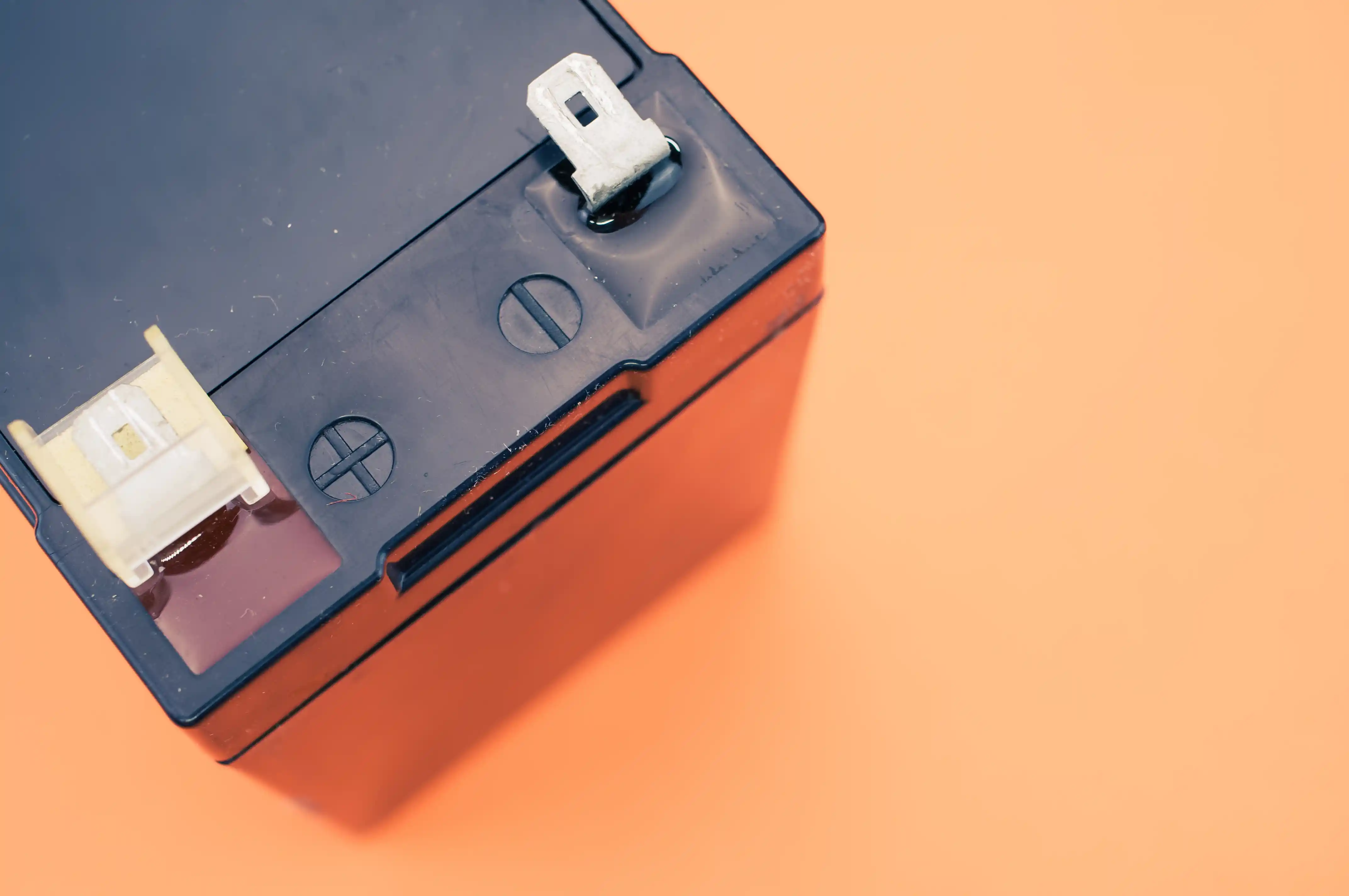
Quad Bike Battery Lead Acid

Advantages of Lead Acid Batteries

  • Lower upfront purchase price
  • Widely available and straightforward to replace
  • Proven, reliable technology with no complex battery management systems
  • Suitable for occasional or light use where maximum range is not critical

Limitations of Lead Acid Batteries

  • Heavier than lithium equivalents, which can affect handling on steep terrain
  • Shorter cycle life: typically 300 to 500 full charge cycles before capacity begins to degrade
  • Performance can drop noticeably in cold weather
  • Slower to charge relative to lithium
  • Reduced energy density means a larger, heavier pack is needed for equivalent range

For buyers who use their electric quad lightly, such as occasional estate checks or seasonal use, lead acid remains a practical and cost-effective option.

What Is a Lithium Battery Electric Quad?

Lithium-ion batteries represent the newer generation of electric quad bike power. They are used across electric cars, e-bikes, and industrial equipment because of their superior energy density and cycle life.

Advantages of Lithium Batteries

  • Significantly lighter than lead acid packs of equivalent capacity, improving handling and performance
  • Longer cycle life: typically 800 to 1,000 or more full cycles before significant degradation
  • Better performance in cold conditions compared to lead acid
  • Faster charging times
  • More consistent power output across the full charge range
  • Greater range per charge due to higher energy density

Limitations of Lithium Batteries

  • Higher initial cost than lead acid
  • Requires a battery management system to operate safely, though this is built in on quality models
  • Replacement costs, if needed outside warranty, are higher than lead acid

For riders using their quad daily, such as farm workers, estate managers, or commercial operators, the longer lifespan and greater range of a lithium battery typically delivers a lower cost of ownership over time, even accounting for the higher purchase price.

Lead Acid vs Lithium: How Do They Compare?

The table below summarises the key differences between lead acid and lithium battery electric quad bikes:

FeatureLead AcidLithium
WeightHeavierLighter
Cycle Life300-500 cycles (approx.)800-1,000+ cycles (approx.)
Upfront CostLowerHigher
Cold WeatherPerformance drops noticeablyMore resilient
Charging SpeedSlowerFaster
Range per ChargeGoodBetter
Best ForOccasional or light useDaily or intensive use

What Is the Range of an Electric Quad Bike Battery?

Range depends on the specific model, battery capacity, rider weight, terrain, and weather conditions. Our electric quad bikes are designed to deliver approximately 40 to 50 kilometres on a full charge under typical conditions.

Lithium models tend to maintain their range more consistently over time and across varying temperatures. Lead acid models may see a reduction in effective range as the battery ages or in colder months.

For farm use or estate management, a 40 to 50 km range comfortably covers a full working day for most operations, with the quad charged overnight ready for the next day.

How Long Does an Electric Quad Bike Battery Take to Charge?

Charge times vary by model and battery size. As a general guide:

  • Lead acid batteries typically require 8 to 10 hours for a full charge from empty
  • Lithium batteries generally charge in 4 to 6 hours from empty

Overnight charging is the most practical approach for both types, particularly for users who rely on their quad daily. Eco Rider electric ATVs include a charger with all models.

How Should You Store an Electric Quad Bike Battery?

Correct storage is one of the most important factors in preserving battery life, regardless of which type you choose.

Lead Acid Storage

  • Store at or near full charge to prevent sulphation, which permanently reduces capacity
  • Keep in a cool, dry location away from freezing temperatures
  • If storing for more than a month, consider a trickle charger to maintain charge

Lithium Storage

  • Lithium batteries should ideally be stored at around 50% charge for long-term storage
  • Avoid storing in very high temperatures or direct sunlight
  • The built-in battery management system helps protect against over-discharge, but check charge level periodically during storage

Which Battery Is Right for Your Electric Quad?

The right choice depends on how you plan to use your quad:

  • Daily farm use, estate management, or equestrian work: lithium is likely to offer better long-term value
  • Seasonal or occasional use: lead acid provides reliable performance at a lower upfront cost
  • Cold climate or year-round outdoor use: lithium handles lower temperatures more consistently
  • Budget-conscious buyers or first-time electric quad owners: lead acid is a practical starting point

If you are unsure which suits your situation, our team is happy to discuss your specific use case. Both battery types are supported by our technical team and spare parts service.

Ready to find the right electric quad for your needs? Contact the Eco Rider team today and we will help you choose the best model and battery type for your situation.

Eco Rider
Eco Rider is a UK specialist in adult electric quad bikes and ATVs, based in Isleham, Cambridgeshire. We've been all-in on the electric revolution from day one, helping farmers, landowners, estate managers and rural businesses switch to cleaner, quieter alternatives to petrol quads. Every article we publish is grounded in real-world use across the fields, estates and countryside we're surrounded by.

Contact

For more information or advice on which electric ATV or ride-on would be perfect for you, whether you are looking for a quad bike for work or for the thrill of adventure, our team will be happy to help.
Come and visit our Showroom in Isleham to view the vehicles in person. Call to ensure we have your preference in stock.
Monday - Friday
9 AM - 5 PM
Saturday
10 AM - 4 PM (Appointment Only)
Sunday
CLOSED

CONTACT

Eco Rider, Isleham Business Park, Unit 16, Hall Barn Road, Isleham, Ely, Cambridgeshire, CB7 5QZ

SIGN UP FOR UPDATES

Copyright © 2026. Eco Rider. All rights reserved.

Company Registration No.09951132
Secure Payment Systems
Visa Icon
Mastercard
Maestro
JCB
Klarna
PayPal
Apple Pay Icon
GPay