When buying an electric quad bike for adults, one of the key decisions you will face is whether to go for a brushed or brushless motor. The motor type affects how your quad bike performs, how much upkeep it requires, and how long it will last, so it is worth understanding the difference before you […]
When buying an electric quad bike for adults, one of the key decisions you will face is whether to go for a brushed or brushless motor. The motor type affects how your quad bike performs, how much upkeep it requires, and how long it will last, so it is worth understanding the difference before you buy.
Both motor types are found across the electric quad bike market, from entry-level quads to high-performance adult ATVs. This guide explains how each one works and what that means in practice for riders.
A brushed motor uses carbon brushes that make direct physical contact with a rotating part called the commutator. This contact transfers electrical current to the motor coils and creates the movement that drives the quad. It is a straightforward, well-established design that has been used in electric vehicles for decades.
Because the brushes press against the commutator continuously, they generate friction during use. This friction produces heat and causes the brushes to wear down gradually over time. The brushes are a consumable component that will eventually need to be replaced. Brushed motors generally come at a lower cost than brushless equivalents.
A brushless motor removes the brushes entirely. Instead, an Electronic Speed Controller (ESC) manages the flow of electricity to the motor coils in a precise sequence, creating rotation without any physical contact between moving parts. There is nothing to wear down through friction in the same way.
This design runs more quietly, generates less heat, and delivers power in a more immediate and consistent way. Because the ESC can respond rapidly to throttle input, brushless motors tend to feel more responsive under acceleration and more smooth across varying terrain.
The right choice depends on your priorities. Here is how the two motor types compare across the factors that matter most to electric quad bike riders:
| Brushed Motor | Brushless Motor | |
| Upfront cost | Generally lower | Generally higher |
| Maintenance | Brushes need periodic replacement | Minimal – no consumable parts |
| Performance | Gradual power build-up | Instant, consistent power delivery |
| Efficiency | Lower – friction generates heat | Higher – less energy wasted |
| Noise | More audible during use | Quieter and smoother |
| Lifespan | Shorter due to brush wear | Longer – no brush degradation |
Brushed motors are cheaper to manufacture, which makes quad bikes fitted with them less expensive upfront. However, the ongoing cost of replacing brushes and the greater likelihood of motor servicing over time can erode that initial saving. For riders using an electric quad bike regularly, a brushless motor is often the more cost-effective option across its lifetime.
Brushed motors require periodic inspection and brush replacement as part of routine upkeep. If brushes are not replaced when worn, performance deteriorates and the motor can be damaged. Brushless motors have no equivalent consumable part, which means fewer scheduled maintenance tasks and less risk of performance decline through neglect.
For farm quad and estate use, where vehicles are working daily and downtime is disruptive, lower maintenance requirements are a significant practical advantage.
Brushless motors deliver power instantly and consistently. Riders typically notice this most under acceleration and when climbing steep or uneven terrain. The absence of friction also means the motor runs cooler, which helps maintain performance during longer or more demanding rides.
Brushed motors can still produce strong torque, particularly at low speeds, and are capable of handling off-road conditions. However, performance can become less consistent as the brushes wear, and heat build-up during extended use is a greater consideration.
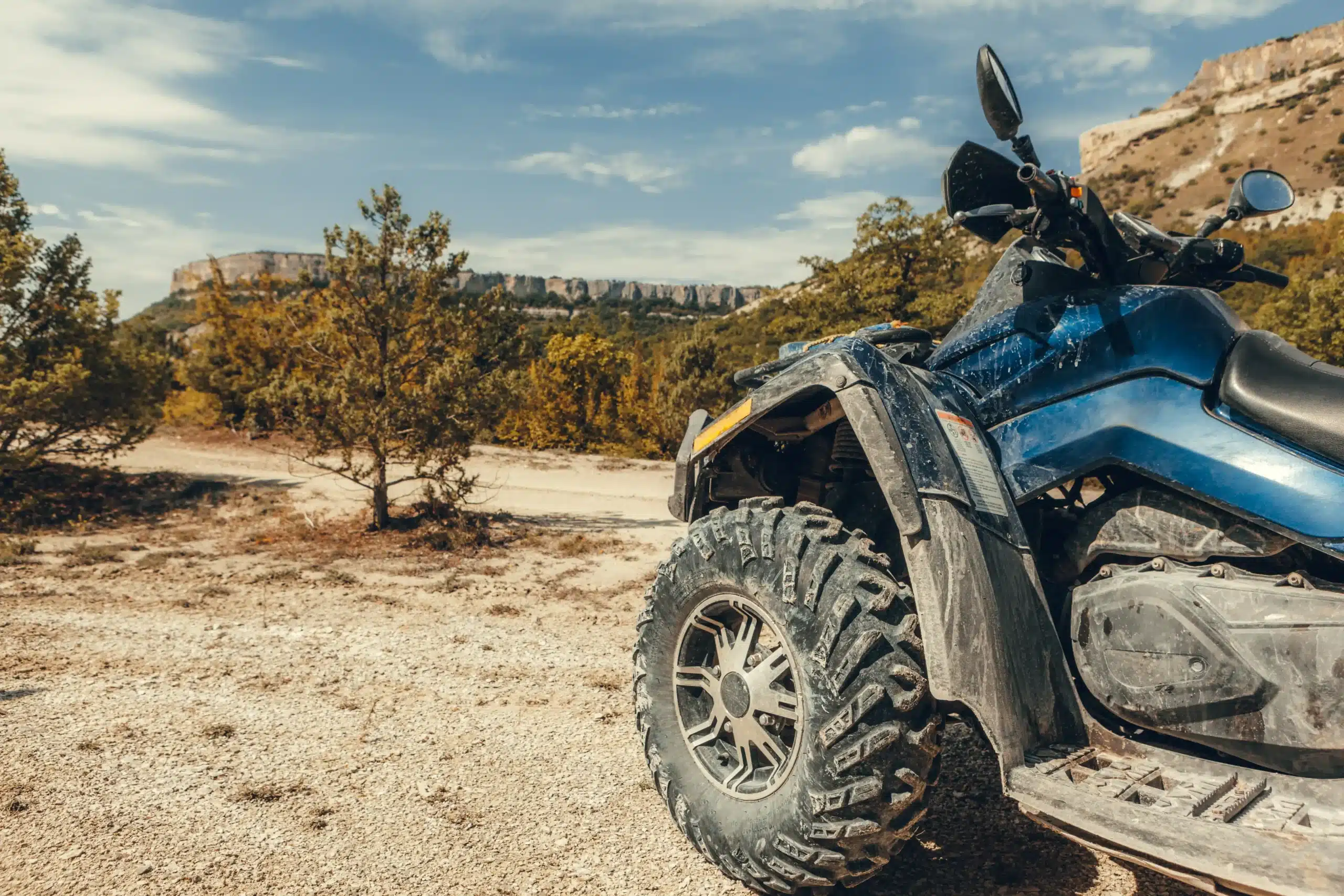
All models in the Eco Rider Explorer range are fitted with brushless motors. The range spans from the 2100w Explorer through to the 5000w Explorer GTS, with motor output matched to the intended use of each model.
Each model is designed for adult riders, with applications ranging from agricultural and estate work to equestrian settings and leisure riding. The brushless motor specification across the range reflects the reliability and low-maintenance performance that working riders need day to day.
For a full breakdown of motor wattage, battery specification, and drive options across the range, visit the Eco Rider model comparison page. If you are unsure which motor output suits your terrain or intended workload, our team is happy to advise.
If you would like guidance on choosing the right electric quad bike for your needs, our team is on hand to help. Get in touch with Eco Rider today.


Eco Rider, Isleham Business Park, Unit 16, Hall Barn Road, Isleham, Ely, Cambridgeshire, CB7 5QZ
Copyright © 2026. Eco Rider. All rights reserved.