Charging an electric quad bike is simpler than you might think, but doing it correctly ensures optimal battery performance, extended lifespan and safe operation. Whether you’ve just purchased your first adult electric quad bike or you’re looking to maximise your battery’s potential, this comprehensive guide covers everything you need to know about charging your electric quad bike properly.
Adult electric quad bikes use rechargeable lithium-ion or lead-acid batteries that power the electric motor. Unlike petrol quads that require refuelling at petrol stations, electric quads recharge using standard household electricity, offering unmatched convenience and cost savings.
Most modern electric quad bikes, including all Eco-Rider models, come complete with a dedicated battery charger specifically designed for your quad’s battery system. Eco-Rider electric quads feature convenient charging through standard three-pronged UK plugs, allowing you to charge anywhere with mains electricity access.
The charging process is straightforward: plug the charger into a wall socket, connect it to your quad’s charging port, and let the battery recharge. However, understanding the nuances of proper charging technique significantly impacts battery health and longevity.
Charging time varies depending on battery capacity, current charge level and charger specifications. Understanding typical charging times helps you plan usage effectively.
Typical charging times for electric quad bikes:
For example, if your Eco-Rider Explorer GT has a 60v lithium battery and you’ve used half the capacity, you can expect approximately 2-3 hours to reach full charge. A completely depleted battery will require the full 4-6 hour charging period.
Most electric quad bike owners charge overnight, ensuring their quad is ready for use the following morning. This charging pattern works excellently for daily farm use, recreational riding or regular estate management tasks.
Factors affecting charging time:
Environmental temperature significantly impacts charging speed. Cold conditions (below 5°C) can extend charging time by 15-25%, whilst extreme heat can trigger safety features that slow charging to protect the battery.
Battery age and condition also influence charging duration. Older batteries or those with reduced capacity may charge slightly faster simply because they hold less total energy.
The state of charge when you begin charging matters too. Charging from 20% to 80% occurs faster than the final 80% to 100%, as the charging system automatically slows near full capacity to protect battery cells.
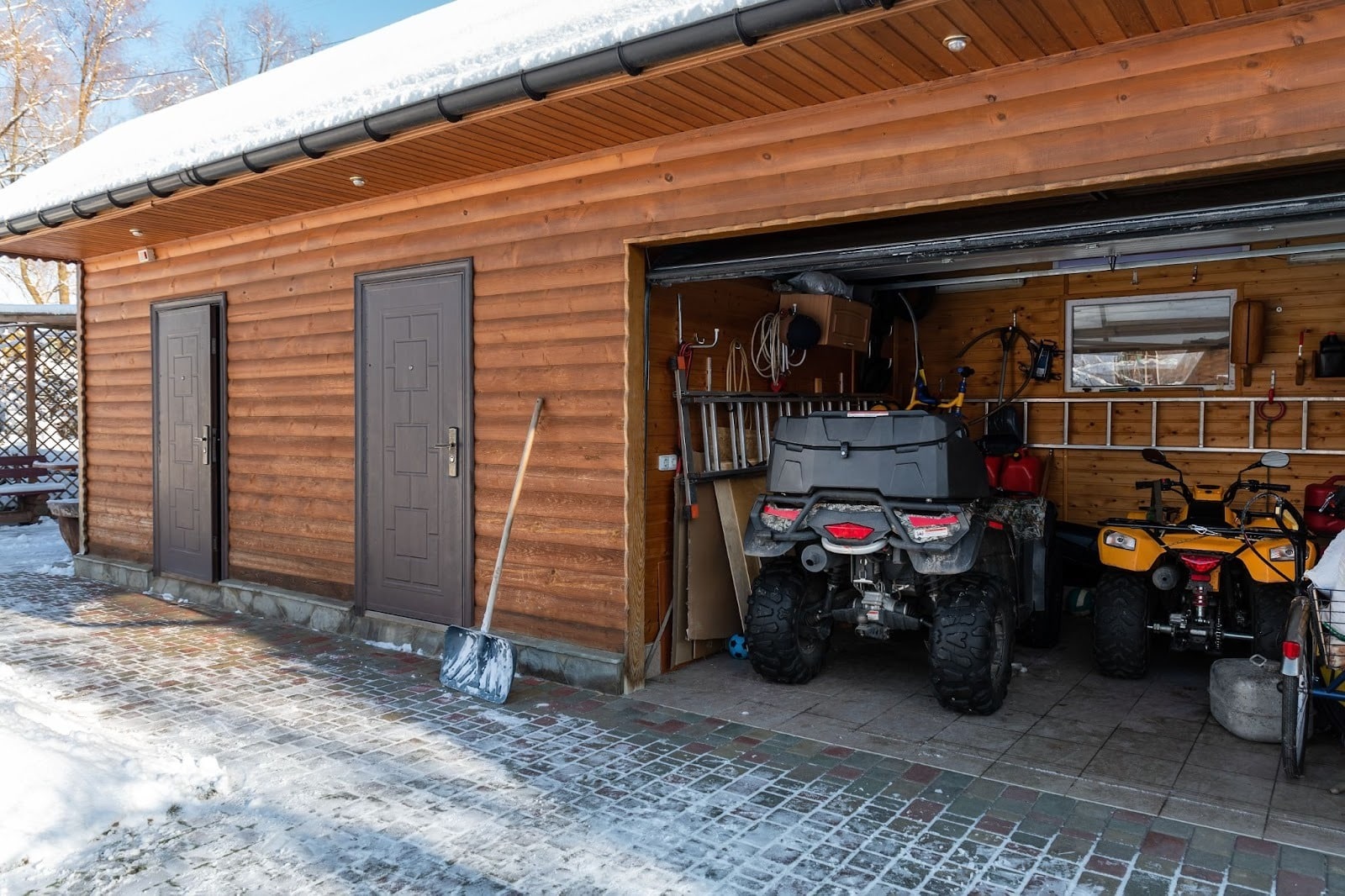
Yes, charging your adult electric quad bike overnight is perfectly safe and indeed recommended. Modern chargers feature intelligent charging systems that prevent overcharging once the battery reaches full capacity.
Eco-Rider chargers, like most quality electric quad chargers, incorporate automatic shut-off or trickle-charge modes. When the battery reaches 100%, the charger either stops supplying current entirely or switches to a very low maintenance charge that keeps the battery topped up without causing damage.
Best practices for overnight charging:
Charge in a well-ventilated space, ideally a garage or covered outbuilding. Whilst modern lithium batteries are very safe, charging generates minimal heat and gases that benefit from good airflow.
Place the quad on a non-flammable surface during charging. Concrete, tiles or metal surfaces are ideal. Avoid charging on wood, carpet or other combustible materials.
Ensure pets and children cannot access the charging area. Whilst the charger and battery are safe, curious interference could disconnect cables or damage equipment.
Check the charger and battery periodically if possible. A quick visual inspection before bed and in the morning ensures everything is functioning normally.
When overnight charging isn’t ideal:
If your battery is already partially charged (above 80%), overnight charging may result in the battery sitting at 100% for several unnecessary hours. Whilst modern systems prevent damage, regularly storing lithium batteries at 100% charge for extended periods can slightly reduce long-term capacity.
In very cold conditions (below 0°C), bringing the battery indoors to charge at room temperature will result in faster, more efficient charging than leaving it in a cold garage overnight.
The charging location significantly impacts safety, efficiency and convenience. Select an appropriate charging spot that meets these criteria:
Ideal charging locations:
A covered garage or outbuilding provides excellent weather protection whilst offering good ventilation. This protects your adult electric quad bike and charger from rain whilst preventing any charging-related gases from accumulating.
Indoor spaces with concrete or tiled floors work well, particularly if you have convenient socket access. Basements or utility rooms can be ideal if well-ventilated.
Covered carports or lean-to structures offer acceptable alternatives if fully enclosed space isn’t available. Ensure the charging equipment stays dry and protected from wind-blown rain.
Locations to avoid:
Never charge in direct rain or where water can reach the charger or battery. Even “weatherproof” components can fail if exposed to heavy rain during charging.
Avoid confined spaces with poor airflow. Whilst modern batteries are very safe, all charging processes benefit from good ventilation.
Don’t charge in areas with excessive dust or dirt. Fine particles can enter charging ports and damage connections over time.
Keep away from areas with flammable materials or storage. Paint, petrol, straw, hay and other combustible materials should be well separated from charging equipment.
Temperature considerations:
Charge in environments between 5°C and 30°C when possible. This temperature range allows optimal charging speed and efficiency.
If you must charge in cold conditions, expect longer charging times. Batteries charge more slowly in the cold as the chemical reactions within cells are temperature-dependent.
Extremely hot environments (above 35°C) can trigger thermal protection in the charger, slowing or stopping the charging process until temperatures moderate.
Following proper charging practices extends your adult electric quad bike battery’s lifespan significantly, potentially adding years to its usable life.
Optimal charging habits:
Charge after every use when practical. Unlike older battery technologies, modern lithium batteries don’t suffer from “memory effect” and actually prefer regular partial charging over deep discharge cycles.
Aim to keep your battery between 20% and 80% charged for daily use. This range minimises stress on battery cells and maximises cycle life. Full 0-100% charges should be reserved for when you need maximum range.
Avoid letting your battery sit completely empty for extended periods. If you’ve fully depleted your battery, charge it within 24 hours. Leaving lithium batteries at 0% charge can cause permanent capacity loss.
Seasonal charging considerations:
During winter months, bring the battery indoors before charging if possible. Charging a cold battery takes longer and can be less efficient. Allowing the battery to warm to room temperature before charging improves results.
In periods of non-use (such as winter storage), charge the battery to approximately 50-60% capacity. This charge level is ideal for long-term storage and prevents the battery from degrading whilst unused.
Check stored batteries every 4-6 weeks and top up if charge has dropped below 40%. Self-discharge is normal, particularly in lead-acid batteries, but shouldn’t be allowed to continue unchecked.
What to avoid:
Never use chargers not specifically designed for your quad’s battery. Different battery chemistries (lithium vs lead-acid) require different charging profiles. Using the wrong charger can cause permanent damage or create safety hazards.
Don’t charge immediately after intensive use. Allow the battery to cool for 30-60 minutes after a long ride before connecting the charger. Hot batteries charge less efficiently and excessive heat can reduce lifespan.
Avoid partial charging constantly. Whilst modern batteries handle partial charges well, occasionally running through a full 0-100% cycle (perhaps monthly) helps the battery management system accurately calibrate capacity indicators.
Can you charge an electric quad bike in the rain?
No, never charge in wet conditions. Both the charger and charging port must remain dry during the charging process. Water and electricity create serious safety hazards including short circuits, electrical shocks and potential fire risks. Always charge in a covered, dry location.
Do you need to remove the battery to charge it?
Most electric quad bikes can charge with the battery installed in the vehicle. However, some models feature removable batteries that can be charged separately. Eco-Rider models typically allow charging without battery removal, though removing the battery for indoor charging in winter can improve charging efficiency. Check your specific model’s manual for guidance.
How do you know when your electric quad is fully charged?
The charger’s indicator light system shows charging status. Most chargers display red whilst charging and switch to green when complete. Some advanced systems include percentage displays or estimated time remaining. Additionally, many quad bikes have their own battery level indicators that you can check after disconnecting the charger.
Can you overcharge an electric quad bike battery?
Modern chargers prevent overcharging through intelligent charging management. Once the adult electric quad bike battery reaches full capacity, the charger either stops supplying current or switches to a very low maintenance mode. However, best practice suggests unplugging the charger once charging completes rather than leaving it connected indefinitely.
How often should you charge your electric quad bike?
Charge frequency depends on usage patterns. For daily use, charge your adult electric quad bike after each riding session or overnight. For occasional use, charge when the battery drops to around 20-30% capacity. Even if not used, check charge levels every few weeks and top up if below 40%.
What happens if you use the wrong charger?
Using an incompatible charger risks serious battery damage. Different battery types require specific charging profiles—lithium batteries charged with lead-acid chargers (or vice versa) can be permanently damaged or create safety hazards. Always use the manufacturer-supplied charger or an approved replacement with identical specifications.
Even with proper technique, you may occasionally encounter charging problems. Here’s how to diagnose and resolve common issues.
Charger light doesn’t illuminate:
Check the wall socket is working by testing with another device. Inspect the charger cable for damage or breaks. Ensure all connections are secure—both at the wall socket and charging port. If the charger still shows no signs of life, it may be faulty and require replacement.
Charging light stays red and never turns green:
This may indicate the battery is taking longer than usual to charge, which can occur in cold weather or with depleted batteries. Allow additional charging time (up to 12 hours) before concluding there’s a problem. If the light remains red beyond this period, there may be a battery fault requiring professional assessment.
Battery won’t hold charge:
Batteries that charge normally but discharge very quickly may have reached the end of their useful life. Lithium batteries typically last 800-1,200 charge cycles (approximately 4-8 years), whilst lead-acid batteries last slightly less. Capacity naturally degrades over time. If your quad is several years old and experiencing reduced capacity, battery replacement may be necessary.
Charging port appears damaged:
Damaged charging ports prevent proper connection and should be repaired before continuing to charge. Attempting to charge with damaged connections can create safety hazards. Contact Eco-Rider support or a qualified technician for port repair or replacement.
Charger gets very hot during charging:
Chargers generate some heat during use, but excessive heat suggests a problem. Ensure the charger has adequate ventilation and isn’t covered or enclosed. If overheating continues, discontinue use and contact Eco-Rider for a replacement charger.
Beyond basic charging technique, several practices optimise battery performance and extend operational lifespan.
Establishing a charging routine:
Develop consistent charging habits that fit your usage patterns. Farm users might charge every evening after the day’s work. Weekend recreational riders might charge after each outing. Consistency helps maintain battery health and ensures your quad is always ready when needed.
Create a dedicated charging station with easy socket access and appropriate safety measures. Having a proper setup encourages good charging habits and reduces the temptation to cut corners.
Monitoring battery health:
Pay attention to charging time trends. If your battery begins taking significantly longer to charge than when new, this may indicate reduced capacity or developing issues. Similarly, batteries that charge very quickly may not be accepting full charge.
Note the range you achieve on a full charge. Gradual range reduction is normal as batteries age, but sudden drops in range suggest potential problems requiring attention.
Check battery voltage periodically using a multimeter if you’re comfortable doing so. This provides objective data about battery health beyond simple indicator lights.
When to seek professional help:
If you notice unusual smells (particularly chemical or burning odours) during charging, stop immediately and seek professional assessment. This could indicate serious battery problems.
Visible battery swelling or deformation requires immediate professional attention. Never attempt to charge a visibly damaged or swollen battery.
Persistent charging problems despite correct technique and new chargers suggest deeper electrical or battery management system issues requiring expert diagnosis.
Eco-Rider electric quad bikes are engineered with user-friendly charging in mind. Every model comes complete with a dedicated battery charger specifically matched to your quad’s battery system.
Our chargers feature standard UK three-pronged plugs for convenient charging anywhere with mains electricity access. No special electrical installations or commercial charging stations required—simply use any standard household socket.
The intelligent charging systems in Eco-Rider models protect your battery investment through automatic charge management. Once fully charged, the system prevents overcharging damage, giving you peace of mind during overnight charging.
Clear LED indicators on every charger show charging status at a glance. Red indicates active charging, whilst green confirms a full charge, eliminating guesswork from the process.
For specific charging guidance tailored to your Eco-Rider model, consult your owner’s manual or contact our support team. We’re here to ensure you get maximum performance and longevity from your electric quad bike battery.
Charging your adult electric quad bike correctly is fundamental to reliable operation and long battery life. The process is straightforward: use the supplied charger, charge in a dry and ventilated location, and follow basic safety guidelines.
By establishing good charging habits—regular charging, appropriate temperature conditions, and proper storage—you protect your battery investment and ensure your quad remains ready whenever you need it.
The convenience of home charging with standard UK plugs eliminates trips to petrol stations whilst dramatically reducing fuel costs. For most users, overnight charging provides the perfect solution, delivering a fully charged quad each morning ready for the day’s activities.
Understanding your specific battery type, respecting its limitations and following manufacturer guidelines will reward you with years of reliable electric quad bike operation.
Ready to experience the convenience of electric quad bike ownership? Explore the full range of Eco-Rider electric quads at our Cambridgeshire and Suffolk showrooms. Our knowledgeable team can demonstrate the simple charging process and answer any questions about battery care and maintenance. Contact us today to arrange a test ride and discover how easy electric quad ownership can be.


Eco Rider, Isleham Business Park, Unit 16, Hall Barn Road, Isleham, Ely, Cambridgeshire, CB7 5QZ
Copyright © 2026. Eco Rider. All rights reserved.